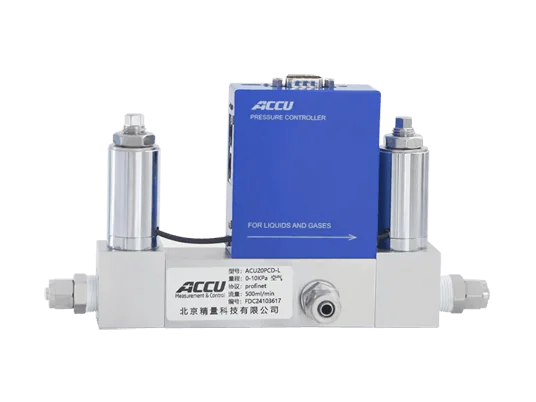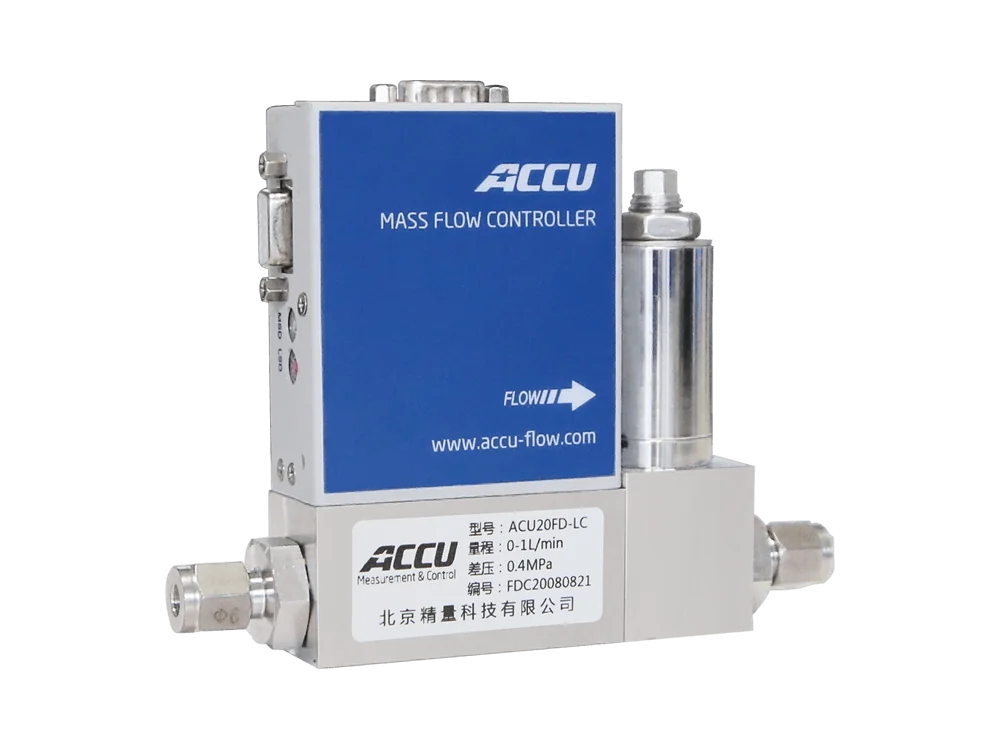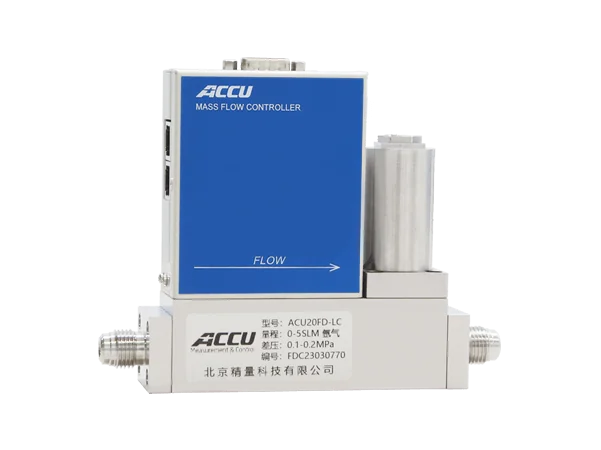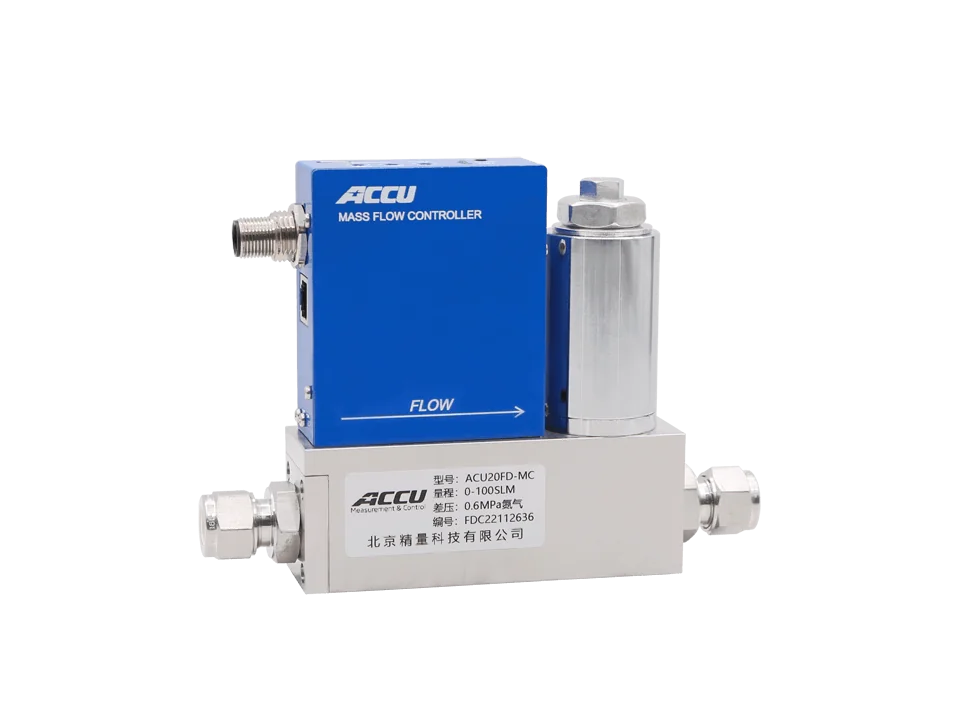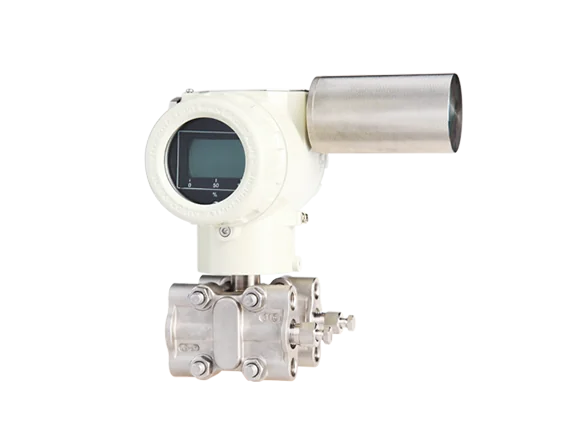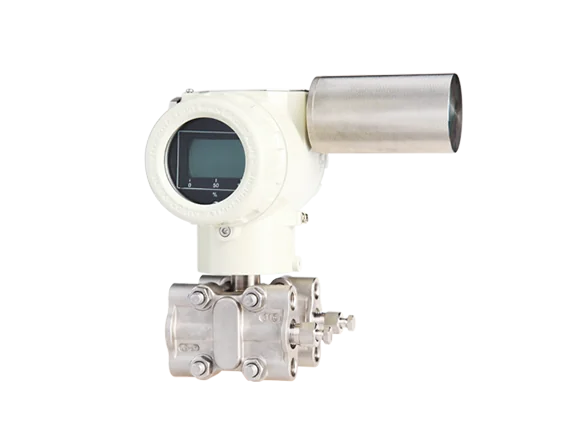
Pressure transmitter
The ACU10F series transmitters allow users to specify sensors to improve long-term reliability in field applications. At the same time, because the costs of various sensors differ, selecting appropriate sensors can also reduce procurement costs. Advanced design, superb craftsmanship, and flexible sensor selection combine to make the ACU10F series transmitters a perfect balance of reliability and low cost.
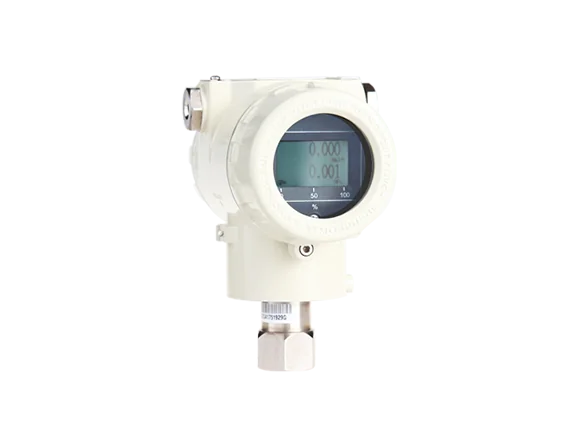
Silicon Piezoresistive
Differential Capacitive
Ceramic Capacitive
Ceramic Piezoresistive
Silicon sensors can easily achieve high accuracy and are most commonly used in pressure measurements between ≥100Pa and ≤35Mpa. However, silicon sensors are not suitable for negative pressure applications. Within the temperature range of -40~85℃, silicon sensors can improve temperature stability and long-term reliability through laser trimming temperature compensation and metal isolation diaphragms. Furthermore, silicon sensors offer the simplest method for measuring absolute pressure.
Differential capacitive sensors are currently the most mature technology for measuring differential pressure. ACU10F differential pressure sensors using this technology have been in continuous operation in the field for over 10 years. Because these sensors use a dynamic three-diaphragm overload protection system, they can measure extremely low differential pressures under high static pressures; in pressure measurement, they provide the highest single-ended overload capacity.
Dry ceramic capacitive sensors feature a highly reliable ceramic measuring diaphragm. They can be used in strongly corrosive media and wear-resistant applications and are particularly suitable for low-pressure and negative gauge pressure applications. For example: 0~-1Kpa negative pressure measurement. In hydraulic measurements and solid-state mixture measurements, using ceramic sensors is the simplest and most reliable method, eliminating the need for diaphragm systems and special diaphragms.
The new ceramic piezoresistive sensor offers similar temperature stability and linearity to ceramic capacitive sensors, while improving response speed. In gauge pressure measurements of ≥100Pa, it provides moderate accuracy, high reliability, and lower cost.